
Ketamine & Medicine-Assisted Therapy in Vancouver

I’m a Registered Clinical Counsellor (RCC) with over 20 years of experience helping people heal from anxiety and trauma.
Many people arrive here after years of trying to feel better—yet still feeling stuck, despite their best efforts.
Medicine-assisted therapy can offer a different kind of opening. When used within a safe, supportive therapeutic relationship, medicines such as ketamine or MDMA can temporarily reduce fear and anxiety—helping you access new experiences of connection, safety, and healing.
Preparation and integration are essential. They help ensure the altered-state experience becomes a doorway to lasting change—supporting new ways of feeling, relating, and living in everyday life.
learn more
Research into medicine-assisted therapies has expanded rapidly over the past two decades, with major universities and medical centers conducting controlled clinical trials across North America and Europe. Medicine-assisted therapy works by temporarily altering the brain’s default patterns of prediction, threat detection, and emotional learning. Rather than simply “creating insight,” these medicines appear to relax rigid neural models that keep the nervous system locked into fear, disconnection, or defensive states.
From a neuroscience perspective, substances such as ketamine reduce activity within tightly constrained predictive networks while increasing neuroplasticity—the brain’s capacity to update learning. This creates a brief window in which new experiences of safety, agency, connection, or self-compassion can register more deeply than under ordinary conditions.
Even when a person understands their history, subcortical threat systems may continue to anticipate danger or disconnection. Medicine-assisted therapy can soften these threat responses enough for experiences that were previously intolerable—such as closeness, grief, or vulnerability—to be approached without overwhelm.
Importantly, the medicine itself does not produce healing. Healing depends on what the nervous system learns during this window. When paired with relational safety, somatic awareness, and integration support, these altered states can support meaningful emotional updating rather than remaining transient experiences.
Across cultures and throughout history, altered states have been used to support healing during times of illness, loss, or psychological distress. Modern medicine-assisted therapy builds on this lineage while grounding the work in neuroscience, trauma psychology, and relational psychotherapy.
References
Carhart-Harris, R. L., & Friston, K. J. (2019). REBUS and the anarchic brain: toward a unified model of the brain action of psychedelics. Pharmacological Reviews, 71(3), 316–344.
Siegel, D. J. (1999). The Developing Mind. Guilford Press.
Van der Kolk, B. A. (2014). The Body Keeps the Score. Viking.

In Short
Ketamine Therapy: Two Different Pathways

How ketamine is used matters: different doses and delivery methods lead to very different therapeutic experiences.
Low-Dose Ketamine Therapy
Clients usually remain embodied and able to stay connected with the therapist during the session—making this approach well suited for attachment-focused and somatic therapy.
learn more
Low-dose ketamine therapy works by reducing fear-based inhibition while preserving embodiment and relational engagement. At these doses, the nervous system remains oriented and responsive rather than dissociated, allowing emotional and somatic processing to occur in real time.
From a neurobiological perspective, low-dose ketamine appears to quiet hyperreactive stress circuits while maintaining sufficient cortical integration for awareness, memory, and interpersonal connection. This combination supports emotional learning without overwhelming the system or bypassing the body.
Clinically, this matters because trauma resolution depends not only on accessing emotion, but on staying present while doing so. When clients remain connected to sensation, affect, and relationship, experiences of safety, agency, and regulation can be encoded directly within the nervous system rather than remaining cognitive insights.
Rather than producing dramatic or visionary experiences, low-dose ketamine supports gradual nervous-system repatterning. This makes it particularly compatible with somatic, attachment-oriented, and trauma-informed psychotherapy, where pacing, relational safety, and embodiment are central to lasting change.
References
- Dore, J., et al. (2019). Ketamine-assisted psychotherapy (KAP): Patient demographics, clinical data and outcomes. Journal of Psychoactive Drugs, 51(2), 189–198.
- Feder, A., et al. (2014). Efficacy of intravenous ketamine for treatment of chronic posttraumatic stress disorder: a randomized clinical trial. JAMA psychiatry, 71(6), 681-688.
- Levine, P. A. (2010). In an Unspoken Voice. North Atlantic Books.
High-Dose Ketamine Therapy
These experiences can be meaningful and perspective-shifting, but are typically less relational and less somatically integrated in the moment. For this reason, post-session integration therapy is essential for translating insight into embodied change.
learn more
From a neurobiological perspective, this disruption can allow individuals to step outside rigid identity narratives, emotional patterns, or meaning frameworks that have remained fixed despite prior therapeutic work. The experience may feel dissociative, transpersonal, or perspective-shifting, with access to novel viewpoints on self, life, or suffering.
However, because embodiment and relational engagement are reduced during the session itself, learning is not consolidated in real time. Emotional and somatic processing typically occurs after the experience rather than during it. Without structured integration, insights may remain abstract, destabilizing, or transient.
For this reason, integration therapy is essential following high-dose ketamine. Integration supports the stabilization of changes initiated during in-session memory reconsolidation by translating altered-state insight into embodied understanding. This process helps transform temporary cognitive or perceptual shifts into lasting psychological and nervous-system change.
Clinically, high-dose ketamine is most appropriate when the therapeutic goal involves loosening rigid identity structures, existential meaning-making, or perspective change—and when sufficient stabilization and support are already in place to integrate the experience safely and effectively.
References
- Ecker, B., Ticic, R., & Hulley, L. (2012). Unlocking the Emotional Brain. Routledge.
- Krystal, J. H., et al. (1994). Subanesthetic effects of the noncompetitive NMDA antagonist, ketamine, in humans. Archives of General Psychiatry, 51(3), 199–214.
In Short:
Higher doses create deeper altered states that require careful post-session integration.
MDMA-Assisted Therapy
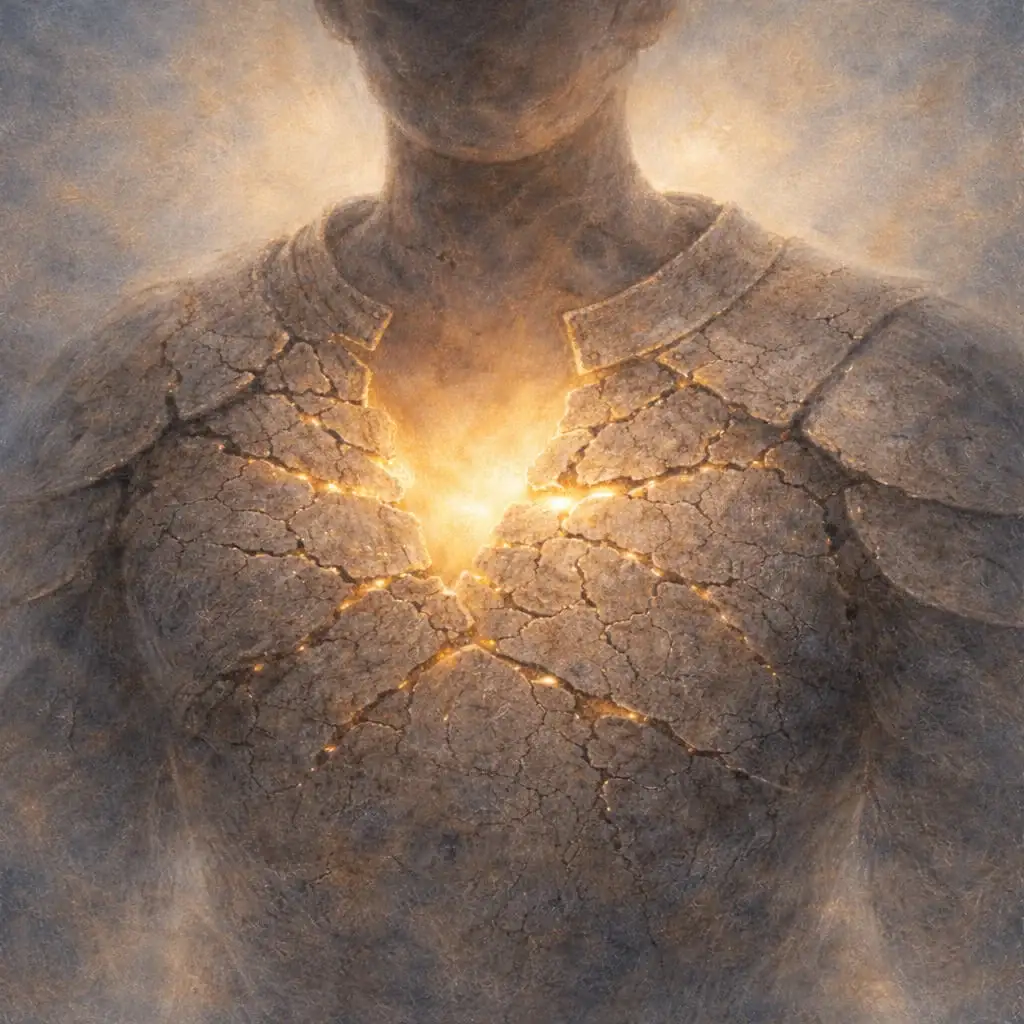
MDMA-assisted therapy can help people feel safe enough to gently approach difficult memories. Instead of becoming overwhelmed or shutting down, fear often softens while trust, openness, and connection increase.
This makes it easier to stay present with painful experiences, allowing them to be processed with greater stability and self-compassion. For this reason, MDMA-assisted therapy is often especially helpful for relational and attachment-based trauma work.
learn more
This combination creates a rare therapeutic state in which individuals can remain present with traumatic memories, emotions, or relational themes without becoming overwhelmed, dissociated, or shut down. Rather than suppressing emotional material, MDMA allows it to be approached with greater tolerance, curiosity, and self-compassion.
From a trauma-informed perspective, this state is particularly significant because many trauma-related symptoms arise not from the content of memory itself, but from the nervous system’s inability to stay regulated while engaging that content. MDMA supports a window in which fear is softened while connection—to self, to the therapist, and to the emotional material—remains online.
Clinically, this enables corrective emotional experiences and memory reconsolidation, where previously encoded fear-based learning can be updated in the presence of safety, support, and agency. Attachment-related themes—such as shame, mistrust, abandonment, or relational rupture—are often more accessible and workable within this state.
Importantly, MDMA does not resolve trauma on its own. Its therapeutic impact depends on careful preparation, skilled in-session support, and structured integration afterward. When embedded within a relational, trauma-informed psychotherapy framework, MDMA-assisted therapy has demonstrated strong and durable outcomes for PTSD and complex trauma presentations.
References
- Feduccia, A. A., & Mithoefer, M. C. (2018). MDMA-assisted psychotherapy for PTSD: Are memory reconsolidation and fear extinction underlying mechanisms? Progress in Neuro-Psychopharmacology and Biological Psychiatry, 84, 221–228.
- Herman, J. L. (1992). Trauma and Recovery. Basic Books.
- Mitchell, J. M., et al. (2023). MDMA-assisted therapy for moderate to severe PTSD: a randomized, placebo-controlled phase 3 trial. Nature Medicine, 29(10), 2473–2480.
In Short
Curious About Ketamine or Psychedelic Integration in Vancouver?
Psilocybin-Assisted Therapy

Because these states are usually less grounded in the body or relationship, psilocybin is not typically used as a first step for trauma or nervous-system regulation. Instead, it may be introduced later in therapy—once stability is in place—to help integrate new perspectives about self, life direction, or meaning.
learn more
Psilocybin appears to act primarily on large-scale brain networks involved in meaning-making, self-representation, and emotional salience. Neuroimaging research suggests it temporarily reduces rigid top-down control within the default mode network while increasing communication between normally segregated brain systems. This can loosen entrenched narratives about self, identity, and life meaning.
Emerging clinical research suggests psilocybin-assisted therapy may support relief from depression, addiction, and existential distress, often accompanied by experiences that feel deeply meaningful or perspective-shifting.
Clinically, this often manifests as experiences that feel expansive, symbolic, or insight-oriented rather than relationally grounded. While emotional intensity can be high, interpersonal engagement and somatic tracking are typically reduced compared with medicines such as MDMA or low-dose ketamine. For this reason, psilocybin is generally not used to directly work with attachment repair or moment-to-moment nervous-system regulation.
For those recovering from trauma or PTSD, psilocybin can be especially helpful later in treatment, once core nervous-system stability and attachment safety have been established. At this stage, psilocybin experiences may support identity reorganization, existential processing, grief, forgiveness, or shifts in life direction. Integration work focuses on translating symbolic or insight-based experiences into coherent values, behavior changes, and embodied understanding.
Research consistently suggests that therapeutic benefit depends less on the intensity of the experience itself and more on how meaning is integrated afterward. Without careful preparation and integration, insights may remain abstract or fade. When held within an ongoing therapeutic relationship, psilocybin-assisted work can help consolidate earlier healing and support longer-term psychological flexibility.
References
- Carhart-Harris, R. L., Roseman, L., Bolstridge, M., Demetriou, L., Pannekoek, J. N., Wall, M. B., … & Nutt, D. J. (2017). Psilocybin for treatment-resistant depression: fMRI-measured brain mechanisms. Scientific reports, 7(1), 1-11.
- Griffiths, R. R., et al. (2011). Psilocybin occasioned mystical-type experiences: immediate and persisting dose-related effects. Psychopharmacology, 218(4), 649-665.
- Yalom, I. D. (1980). Existential Psychotherapy. Basic Books.
In Short
Other Psychedelic Medicines Under Research

These approaches are not described in detail here because they are typically used in different contexts (such as ceremonial settings or specialized medical supervision) or currently have less direct research relevance for anxiety and trauma treatment compared with the therapies discussed above.
learn more
Historical and Cultural Context
Throughout history and across cultures, people have turned to altered states in search of healing during times of suffering, loss, or transition.
Modern medicine-assisted therapy continues this human tradition while grounding the work in neuroscience, trauma psychology, and relational psychotherapy. Many of these medicines have traditional or ceremonial roots and are now being examined through contemporary clinical research.
Importantly, these approaches are not cures on their own. Rather, they may open temporary therapeutic windows that—when paired with skilled preparation and integration—can support meaningful and lasting change.
Medicines Currently Being Studied
Ayahuasca
A traditional Amazonian brew containing DMT, ayahuasca has been used for centuries in ceremonial healing contexts. Contemporary research and observational studies suggest potential benefits for depression, addiction, and existential or emotional distress—particularly when experiences are carefully prepared for and integrated within ongoing psychological support.
Ibogaine
Derived from the West African iboga plant, ibogaine has shown promise for interrupting opioid and alcohol dependence. Its effects are long-lasting and intense, often spanning 24–72 hours. Due to significant cardiac and medical risks, ibogaine requires strict medical oversight.
LSD and DMT
Classic psychedelics such as LSD and DMT are being explored for their effects on depression, anxiety, and end-of-life distress. These substances tend to produce profound alterations in perception and meaning-making.
Cannabis
Although not typically used in psychotherapy, cannabis can sometimes complement somatic therapy when applied with intention. In contrast to recreational use—which often promotes distraction or dissociation—therapeutic use emphasizes mindful, body-centered awareness.
On its own, cannabis is unlikely to be therapeutic. However, when guided by a skilled somatic practitioner, it may help individuals who struggle with dissociation or emotional numbness reconnect with their internal experience.
Why Preparation and Integration Matter
From a clinical perspective, altered states alone do not produce lasting healing. Research across psychedelic and non-ordinary states consistently shows that outcomes depend less on the substance itself and more on the conditions surrounding the experience.
Across different compounds, four factors repeatedly appear associated with therapeutic benefit:
- preparation and intention
- nervous-system regulation
- relational safety
- post-experience integration
Without these conditions, intense experiences may remain disorganizing or destabilizing—particularly for people with trauma histories.
From a somatic and trauma-informed perspective, medicines such as ayahuasca, ibogaine, LSD, DMT, or cannabis do not function as treatments in themselves. At best, they may temporarily alter perception, emotional access, or meaning-making. Whether those shifts translate into healing depends on how effectively they are integrated into ongoing nervous-system regulation, attachment repair, and behavioral change.
For this reason, medicine-assisted approaches show the strongest and safest outcomes when embedded within trauma-informed, somatic, and relational models of care.
References
- Carhart-Harris, R. L., et al. (2018). Psychedelics and connectedness. Psychopharmacology, 235(2), 547-550.
- Labate, B. C., & Cavnar, C. (2014). The Therapeutic Use of Ayahuasca. Springer.
- Mash, D. C., Duque, L., Page, B., & Allen-Ferdinand, K. (2018). Ibogaine detoxification transitions opioid and cocaine abusers between dependence and abstinence. Frontiers in Pharmacology —.
Integration Sessions: Making Meaning Through Mind and Body
“Insight alone does not heal; it must be embodied.”
— Bessel van der Kolk, MD

Without integration, even meaningful experiences can fade. With it, temporary states can become more stable traits—greater calm, self-trust, emotional flexibility, and resilience.
Integration includes both reflection and embodiment. We make sense of what emerged, and we slow down to explore how the experience is held in your body—so the learning becomes lived, not just remembered.
learn more
Memory reconsolidation occurs during the therapeutic session itself, when an existing emotional memory is reactivated and updated through a new, corrective experience. This window is brief and time-limited. When reconsolidation occurs, emotional learning shifts at its source.
Integration happens after the session.
Integration refers to how the nervous system and meaning-making processes stabilize and live with the change that has already occurred. Its role is not to rewrite memory, but to help new learning settle into daily functioning, relationships, and identity without destabilization.
From a clinical standpoint, integration serves several essential functions:
- supporting physiological settling after altered or intense states
- helping the nervous system orient to new baselines of safety or agency
- translating in-session change into coherent narrative and behavior
- reducing the likelihood of rapid return to old protective patterns
Cognitive integration clarifies what shifted and how it relates to life context and relationships. Somatic integration focuses on how the change is held in the body over time, supporting regulation in the days and weeks following a session.
From a trauma-informed perspective, integration is also a pacing process. It allows change to consolidate gradually, respecting nervous-system capacity rather than forcing rapid transformation.
When integration is done well, in-session reconsolidation is more likely to remain accessible, stable, and embodied—supporting lasting calm and resilience rather than transient insight.
References
- Ecker, B., Ticic, R., & Hulley, L. (2012). Unlocking the Emotional Brain. Routledge.
- Ogden, P., Minton, K., & Pain, C. (2006). Trauma and the Body. W. W. Norton & Company.
- Siegel, D. J. (1999). The Developing Mind. Guilford Press.
Legality of Medicine-Assisted Therapy in Canada
Other medicines — including MDMA and psilocybin — have demonstrated strong clinical evidence for conditions such as PTSD, depression, and trauma-related distress. However, they are not approved for general clinical use. Access is currently limited to Health Canada’s Special Access Program (SAP) or participation in authorized research studies.
Legal and constitutional challenges related to access are ongoing, and the regulatory landscape continues to evolve alongside growing scientific evidence.
This page is for educational purposes only and is not intended as medical or legal advice. Always consult a qualified healthcare provider before starting or changing any treatment.
learn more
At present, ketamine is the only medicine discussed on this page that may be legally prescribed and administered in Canada when ordered by a licensed medical doctor and used within approved medical frameworks. Other medicines, including MDMA and psilocybin, have demonstrated promising clinical results in controlled trials but are not approved for general clinical use. Access remains restricted to Health Canada’s Special Access Program (SAP) or participation in authorized research studies.
Because of this landscape, ethical practice requires clear boundaries. Psychological practitioners do not prescribe medicines and must work within defined scopes of practice. When medicine-assisted therapy is involved, this includes transparency about legal status, collaboration with qualified medical providers, and careful attention to preparation, integration, and client safety.
As research continues and regulatory reviews evolve, clinicians must remain grounded in current law, evidence-based standards, and professional responsibility rather than assumption or extrapolation.
References
- Health Canada. (2022). Special Access Program for Drugs.
- Feder, A., et al. (2014). Efficacy of intravenous ketamine for treatment of chronic posttraumatic stress disorder: a randomized clinical trial. JAMA psychiatry, 71(6), 681-688.
- Mitchell, J. M., et al. (2023). MDMA-assisted therapy for moderate to severe PTSD: a randomized, placebo-controlled phase 3 trial. Nature Medicine, 29(10), 2473-2480.
Meet Your Somatic Therapist

Adam Bradley Saunders
M.Ed. Counselling Psychology
Somatic Experiencing® Practitioner (SEP)
This dual path has given me both advanced professional training and a lived trust in the power of somatic and experiential therapies — knowing them not just in theory, but in my own body.
My clinical training includes:
Somatic Experiencing® (SE)
Psychedelic Somatic Interactional Psychotherapy
Deep Brain Reorienting (DBR)
Neurofeedback
EMDR

“Through my own healing from anxiety and complex trauma, I know that lasting change is possible. I aim to create a relationship of trust, authenticity, and emotional safety, where we gently and skillfully work with your body’s innate capacity to heal.”
Curious About Medicine-Assisted Therapy?

My work focuses on education, preparation, and integration support for those exploring or considering medicine-assisted or somatic therapies.
No commitment — just a conversation.
Clinical & Scientific Foundations
- Bessel van der Kolk — The Body Keeps the Score
- Peter Levine — In an Unspoken Voice
- MAPS — MDMA-Assisted Psychotherapy Treatment Manual for PTSD
View all references
Carhart-Harris, R. L., Erritzoe, D., Haijen, E. C. H. M., Kaelen, M., & Watts, R. (2018). Psychedelics and connectedness. Psychopharmacology, 235 (2), 547–550.
Carhart-Harris, R. L., Roseman, L., Bolstridge, M., Demetriou, L., Pannekoek, J. N., Wall, M. B., … & Nutt, D. J. (2017). Psilocybin for treatment-resistant depression: fMRI-measured brain mechanisms. Scientific Reports, 7 (1), 1–11.
Dore, J., et al. (2019). Ketamine-assisted psychotherapy (KAP): Patient demographics, clinical data and outcomes. Journal of Psychoactive Drugs, 51 (2), 189–198.
Ecker, B., Ticic, R., & Hulley, L. (2012). Unlocking the Emotional Brain. Routledge.
Feder, A., et al. (2014). Efficacy of intravenous ketamine for treatment of chronic posttraumatic stress disorder: a randomized clinical trial. JAMA Psychiatry, 71 (6), 681–688.
Feduccia, A. A., & Mithoefer, M. C. (2018). MDMA-assisted psychotherapy for PTSD: Are memory reconsolidation and fear extinction underlying mechanisms? Progress in Neuro-Psychopharmacology and Biological Psychiatry, 84
, 221–228.
Griffiths, R. R., et al. (2011). Psilocybin occasioned mystical-type experiences: immediate and persisting dose-related effects. Psychopharmacology, 218 (4), 649–665.
Health Canada. (2022). Special Access Program for Drugs.
Krystal, J. H., et al. (1994). Subanesthetic effects of the noncompetitive NMDA antagonist, ketamine, in humans: psychotomimetic, perceptual, cognitive, and neuroendocrine responses. Archives of General Psychiatry, 51 (3), 199–214.
Labate, B. C., & Cavnar, C. (2014). The Therapeutic Use of Ayahuasca. Springer.
Levine, P. A. (2010). In an Unspoken Voice. North Atlantic Books.
Mash, D. C., Duque, L., Page, B., & Allen-Ferdinand, K. (2018). Ibogaine detoxification transitions opioid and cocaine abusers between dependence and abstinence: clinical observations and treatment outcomes. Frontiers in Pharmacology, 9, 345105.
Mitchell, J. M., et al. (2023). MDMA-assisted therapy for moderate to severe PTSD: a randomized, placebo-controlled phase 3 trial. Nature Medicine, 29(10), 2473–2480.
Mithoefer, M. C., Wagner, M. T., Mithoefer, A. T., Jerome, L., & Doblin, R. (2019).
MDMA-assisted psychotherapy treatment manual. Multidisciplinary Association for Psychedelic Studies (MAPS).
Treatment Manual: MDMA-Assisted Therapy for PTSD – Multidisciplinary Association for Psychedelic Studies – MAPS
Ogden, P., Minton, K., & Pain, C. (2006). Trauma and the Body. W. W. Norton & Company.
Siegel, D. J. (1999). The Developing Mind. Guilford Press.
van der Kolk, B. A. (2014). The Body Keeps the Score. Viking.
Yalom, I. D. (1980). Existential Psychotherapy. Basic Books.
A more extensive list of scientific and clinical references supporting this work can be found here: