
Meet Your Somatic Therapist in Vancouver
Adam Bradley Saunders
Registered Clinical Counsellor (RCC)
M.Ed. Counselling Psychology
Somatic Experiencing® Practitioner (SEP)
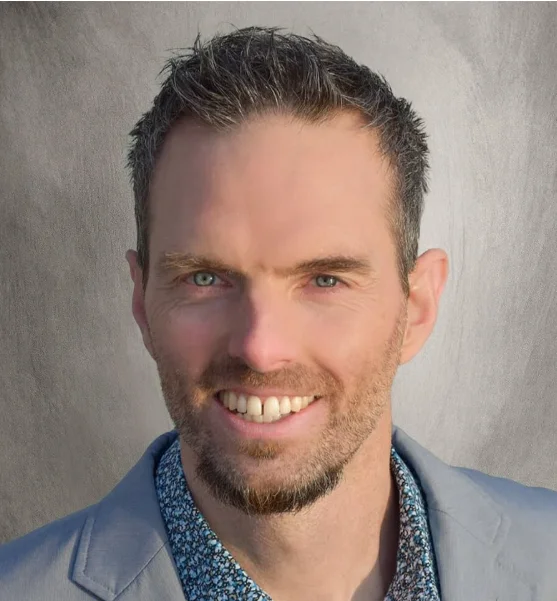
How I Came to This Work
The therapies I offer today are ones I have also needed for my own healing. Experiencing their impact personally shaped both my path and my commitment to this work.
In my early twenties, I had the opportunity to take over a family business, but I chose a different path. I felt a strong pull toward work that had meaning and depth—a sense that I wanted to devote myself to a healing profession.
Around that same time, I was struggling with severe anxiety, emotional shutdown, and unresolved trauma. While talk therapy offered insight, it didn’t seem to reach the deeper patterns my body was holding. That realization began a long search for approaches that work directly with the nervous system and supported lasting change.
During my Master’s program, I experienced a personal trauma-healing session that had a profound impact on me. The shifts were palpable, and it became clear that therapy could work at a much deeper, more embodied level than I had previously understood.
Over time, this experience shaped something essential about how I see healing:
and when the work moves at a pace the nervous system can truly integrate.
learn more
Somatic Therapy, Trauma Treatment, and Neurofeedback in Vancouver
I’m a Registered Clinical Counsellor (RCC) based in Vancouver, with more than 20 years of experience working with adults experiencing anxiety, trauma, and persistent nervous-system patterns. Over the course of my career, I have pursued extensive training in somatic therapy, trauma-focused psychotherapy, and neuroscience-informed approaches that support lasting change in both the brain and body.
Many people who seek somatic therapy have already tried traditional talk therapy. While insight can be helpful, trauma and anxiety often persist because they are held not only in thoughts or memories but also in patterns within the nervous system—such as chronic tension, hypervigilance, shutdown, or emotional disconnection.
Somatic therapy works directly with these physiological patterns. By helping the body experience safety, regulation, and connection, the nervous system gradually learns that the danger has passed. Over time, this can allow anxiety and trauma responses to soften naturally rather than needing to be managed through constant effort.
In addition to somatic therapy, my work also integrates neurofeedback and other neuroscience-informed approaches that support nervous-system stabilization. These methods can be particularly helpful for people experiencing chronic anxiety, trauma-related symptoms, concussion recovery challenges, or long-standing stress patterns.
I work with people across Vancouver and surrounding communities, including Burnaby, Richmond, and North Vancouver. My office is located in Kitsilano, near UBC, and I also offer online therapy throughout the Lower Mainland and across British Columbia.
Professional Training
Over the past two decades, I have pursued extensive professional training in order to offer the best care I can. Much of this training has focused on approaches that work directly with trauma memory, the autonomic nervous system, and emotional regulation.
The core approaches in my work include:
- Somatic Experiencing® (SE)
- EMDR (Eye Movement Desensitization and Reprocessing)
- Deep Brain Reorienting (DBR)
- Neurofeedback
- LENS Neurofeedback (also called Direct Neurofeedback) — mentoring by Dr. Cory Hammond
- Infra-Slow Frequency (ISF) Neurofeedback — developed by Mark Smith
- sLORETA Neurofeedback — mentoring by Dr. Joel Lubar
- Multivariate Coherence Neurofeedback (also called Connectivity Neurofeedback) — mentoring by Dr. Rob Coben
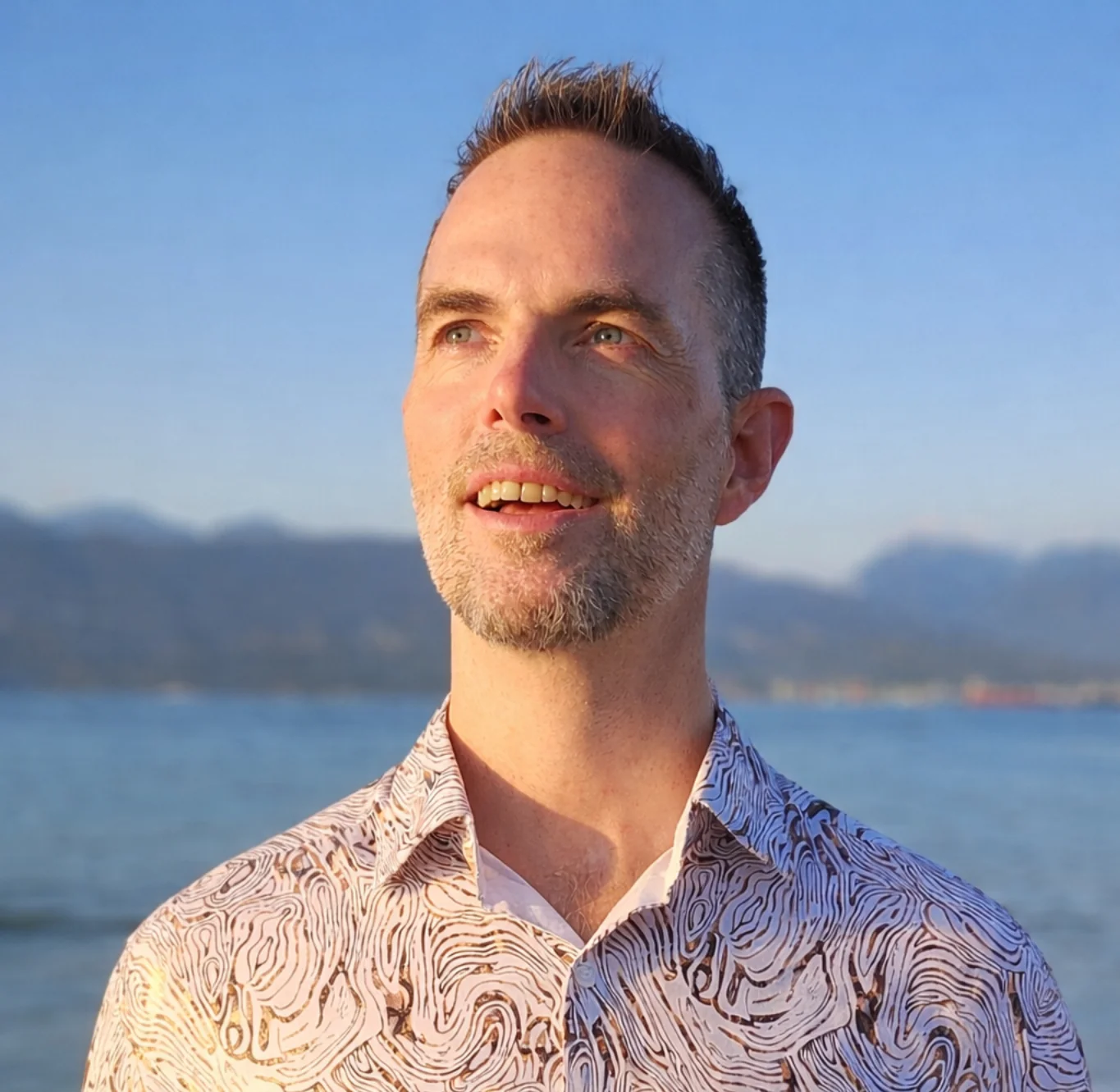
My Approach to Trauma & Anxiety
At its core, this work is not about applying a technique—it’s about carefully listening to your nervous system, your history, and how your body responds in the moment. Therapy is something we shape together, adjusting based on what supports your sense of safety, stability, and progress.
Trauma and anxiety are not only held in thoughts or memories—they often live in the body, in patterns of tension, hyperarousal, vigilance, or shutdown. Because of this, our work includes gently paying attention to your present-moment experience, allowing these patterns to shift over time.
This work is not about fixing you. It’s about supporting your system in releasing what is no longer needed, so that more ease, flexibility, and connection can emerge.
learn more
How Trauma Therapy Works: Safety, Integration, and Nervous System Change
Why Safety, Relationship, and Timing Matter in Trauma Therapy
Contemporary trauma therapy research increasingly recognizes that meaningful change does not occur through insight alone, nor through intense emotional catharsis. Instead, healing tends to unfold when the nervous system experiences sustained conditions of safety, attunement, and regulation over time.
Many trauma responses develop before language or explicit memory are fully formed. Because of this, attempts to process trauma purely through discussion or cognitive understanding often reach a limit. The nervous system may remain organized around patterns of vigilance, shutdown, or emotional disconnection, even when a person understands their experiences.
Research across attachment theory, affective neuroscience, and trauma psychology consistently shows that the therapeutic relationship itself plays an important regulatory role. When a person feels seen, respected, and not pushed beyond their capacity, the nervous system gradually becomes able to tolerate more experience without activating defensive survival responses.
Rather than focusing on dramatic breakthroughs, modern trauma therapy emphasizes gradual reorganization—supporting the nervous system to tolerate more emotional range, more relational contact, and greater flexibility over time.
This perspective informs how I approach trauma therapy: prioritizing safety, collaboration, and careful pacing. Therapy is not about overriding defenses or accelerating insight. It is about creating the conditions in which the nervous system can update itself and move toward greater regulation, connection, and ease.
An Integrative, Individualized Approach to Trauma and Anxiety Treatment
Contemporary trauma therapy and anxiety treatment increasingly recognize that no single method works for everyone. Research and clinical guidelines emphasize the importance of individualized, phase-oriented care that adapts to the person’s nervous system, history, and moment-to-moment capacity rather than following a rigid protocol.
An integrative approach to trauma therapy allows care to remain responsive rather than prescriptive. This includes:
- Drawing from multiple evidence-based modalities rather than relying on a single technique
- Tracking how the nervous system responds in real time, not just what is discussed cognitively
- Adjusting pacing, focus, and interventions based on signs of safety, overwhelm, or shutdown
- Prioritizing relational safety as a central condition for change
In this model, client feedback is essential. Your experience of therapy—what helps, what feels too much, what creates relief or clarity—guides how the work unfolds. Therapy becomes a collaborative process shaped by your system’s responses, rather than something imposed from the outside.
Across many trauma-informed approaches, symptoms are understood not as signs of pathology, but as adaptive strategies that once served an important function. Anxiety, hypervigilance, emotional numbing, or shutdown reflect intelligent nervous-system responses to earlier conditions.
Therapy, then, is not about correcting a flaw—it is about supporting the nervous system in updating patterns that are no longer necessary. As regulation increases and defensive responses soften, many people experience greater emotional flexibility, agency, and a renewed sense of connection to themselves.
How Trauma and Anxiety Affect the Nervous System
Trauma and anxiety are not only psychological experiences—they are patterns of nervous-system organization. After overwhelming or threatening experiences, the brain and body may continue to predict danger even when the original event has passed.
Some people remain primarily in states of high arousal, experiencing anxiety, panic, irritability, hypervigilance, or difficulty sleeping. Others shift toward protective shutdown, with symptoms such as numbness, dissociation, fatigue, brain fog, or emotional disconnection. Many people move between these states.
These patterns are not conscious choices, nor signs of weakness. They reflect how the nervous system learned to survive.
Because of this, effective trauma therapy and anxiety treatment must go beyond insight or coping strategies. It needs to support the nervous system in safely updating these threat-based patterns. This is why my work emphasizes:
- Stabilization before deeper processing, so the system has sufficient safety and capacity
- Bottom-up approaches that work directly with sensation, emotion, and physiological state
- Careful pacing to avoid overwhelm or retraumatization
- Integration, so change is embodied and lasting—not only understood intellectually
For some nervous systems, direct memory processing can be helpful. For others, beginning with regulation, attachment support, or brain-based stabilization is essential. Therapy is most effective when it matches how your nervous system is organized, rather than following a fixed protocol.
This flexible, phase-oriented approach is widely recognized as best practice in trauma therapy, particularly for complex trauma, developmental trauma, and chronic anxiety patterns.
Recent neuroscience-informed trauma therapy research further supports this model. A 2023 randomized controlled trial published in the European Journal of Psychotraumatology found that Deep Brain Reorienting (DBR)—a neuroscience-informed, body-based trauma therapy that works with early orienting and shock responses in the nervous system—led to significant and sustained reductions in PTSD symptoms. Importantly, the treatment was well tolerated, highlighting the value of approaches that prioritize safety, sequencing, and nervous-system readiness rather than forcing emotional processing.
References
– Herman, J. L. (1992). Trauma and Recovery. Basic Books.
– International Society for Traumatic Stress Studies (ISTSS). (2019). PTSD Prevention and Treatment Guidelines.
– Kearney, B. E., Corrigan, F. M., Frewen, P. A., Nevill, S., Harricharan, S., Andrews, K., … & Lanius, R. A. (2023). A randomized controlled trial of Deep Brain Reorienting: a neuroscientifically guided treatment for post-traumatic stress disorder. European Journal of Psychotraumatology, 14(2), 2240691.
– Norcross, J. C., & Wampold, B. E. (2011). Evidence-based therapy relationships. Psychotherapy, 48(1), 98–102.
– Porges, S. W. (2011). The Polyvagal Theory. Norton.
– Schore, A. N. (2012). The Science of the Art of Psychotherapy. Norton.
– Siegel, D. J. (2012). The Developing Mind (2nd ed.). Guilford Press.
Clinical & Scientific Foundations
- Judith Herman — Trauma and Recovery
- Stephen Porges — The Polyvagal Theory
- Peter Levine — Waking the Tiger; In an Unspoken Voice
- Bessel van der Kolk — The Body Keeps the Score
View all references
- Corrigan, F. M., Young, H. C., & Christie-Sands, J. (2023). Deep Brain Reorienting: Understanding the Neuroscience of Trauma, Attachment Wounding, and DBR Psychotherapy. Routledge.
- Herman, J. L. (1992). Trauma and recovery. Basic Books.
- Lanius, U. F., Paulsen, S. L., & Corrigan, F. M. (2014). Neurobiology and Treatment of Traumatic Dissociation. Springer.
- Levine, P. A. (1997). Waking the tiger: Healing trauma. North Atlantic Books.
- Levine, P. A. (2010). In an unspoken voice: How the body releases trauma and restores goodness. North Atlantic Books.
- Kearney, B. E., Corrigan, F. M., Frewen, P. A., Nevill, S., Harricharan, S., Andrews, K., … & Lanius, R. A. (2023). A randomized controlled trial of Deep Brain Reorienting: a neuroscientifically guided treatment for post-traumatic stress disorder. European Journal of Psychotraumatology , 14(2), 2240691.
- Porges, S. W. (2011). The polyvagal theory: Neurophysiological foundations of emotions, attachment, communication, and self-regulation. W. W. Norton & Company.
- van der Kolk, B. A. (2014). The body keeps the score: Brain, mind, and body in the healing of trauma. Viking.
A more extensive list of scientific and clinical references supporting this work can be found here: