
Car Accident Counselling in Vancouver
Support for Anxiety, Trauma, and Concussion Recovery

Counselling is Free (Covered by ICBC) if you have symptoms after a car accident.
A car accident can affect you far beyond any physical injuries. If your mind or body still doesn’t feel “back to normal,” you’re not alone. You might be experiencing:
- Anxiety – increased tension, sleep issues, constant worry, or feeling on edge
- Trauma symptoms – avoiding driving, intrusive thoughts about the accident, memories or nightmares, feeling numb, irritable, or angry
- Concussion / brain injury symptoms – light/sound sensitivity, difficulty focusing, fatigue, irritability, or headaches
Over the years, I’ve supported hundreds of Vancouver clients through ICBC recovery. My approach integrates Somatic Experiencing®, EMDR, trauma-informed therapy, and advanced neurofeedback to support a fuller, more lasting healing process.
learn more
I am a Registered Clinical Counsellor (RCC) and a member of the BC Association of Clinical Counsellors (BCACC). I work with adults across Vancouver, Burnaby, North Vancouver, and the Lower Mainland — both in-person and online.
After a car accident or sudden collision, the nervous system may not receive enough time or support to fully complete its protective responses. Even when the event is over, the body can remain organized around bracing, vigilance, or shutdown. These physiological responses are one of the main reasons many people seek ICBC-covered counselling after a car accident.
From a somatic perspective, trauma is not primarily stored as a narrative — it is stored as a pattern of physiological expectation in the nervous system. The body continues to predict danger through muscle tension, altered breathing, sensory sensitivity, or emotional withdrawal, even when conscious awareness knows the accident has passed.
Somatic therapy focuses on updating these predictions through lived experience. Rather than relying on insight alone, therapy supports:
- Physiological settling — helping the nervous system return to states of safety and social engagement
- Capacity building — increasing tolerance for sensation, emotion, and internal movement without overwhelm
- Experiential reconsolidation — allowing implicit threat learning to change when new experiences of agency, safety, or connection are felt in the body
When the nervous system receives these corrective experiences, symptoms often ease organically — not because they are managed, but because the body no longer needs to remain in a constant state of alert.
References
Porges, S. W. (2011). The Polyvagal Theory: Neurophysiological Foundations of Emotions, Attachment, Communication, and Self-Regulation. W. W. Norton & Company.
van der Kolk, B. A. (2014). The Body Keeps the Score: Brain, Mind, and Body in the Healing of Trauma. Viking.
Ogden, P., Minton, K., & Pain, C. (2006). Trauma and the Body: A Sensorimotor Approach to Psychotherapy. W. W. Norton & Company.
How Our ICBC Counselling Services Help You

In ICBC-covered sessions, we focus on helping your nervous system recover after a car accident. Treatment may include:
- calming the nervous system and reducing anxiety or hypervigilance
- restoring a genuine sense of safety in the brain and body
- reducing concussion symptoms through neurofeedback
- gently processing traumatic memories when you feel ready
- gradually rebuilding confidence with driving

In Short:
learn more
After a car accident, the nervous system often remains stuck in a state of threat — even when the danger has passed. Effective ICBC counselling focuses on helping the body and brain relearn safety, rather than forcing insight or emotional processing too quickly.
The pacing of therapy is also very important. Research and clinical experience consistently show that nervous-system recovery happens best through titration — working in small, tolerable steps — rather than overwhelming exposure or forced processing.
In somatic trauma therapy, recovery follows the nervous system’s sequencing — not a forced timeline.
- Stabilization first — calming the nervous system and reducing symptoms
- Gentle processing next — working with memories, emotions, and bodily responses at a manageable pace
This staged approach reduces avoidance without flooding the system and allows the brain to update threat responses safely.
References
Porges, S. W. (2011). The Polyvagal Theory: Neurophysiological Foundations of Emotions, Attachment, Communication, and Self-Regulation. W. W. Norton & Company.
Levine, P. A. (2010). In an Unspoken Voice: How the Body Releases Trauma and Restores Goodness. North Atlantic Books.
Treleaven, D. (2018). Trauma-Sensitive Mindfulness: Practices for Safe and Transformative Healing. W. W. Norton & Company.
Your Sessions are Fully Covered by ICBC
Understanding Post-Accident Trauma and Anxiety
“Trauma isn’t what happens to you—it’s what happens inside you.”
— Gabor Maté, MD

Common trauma responses after an accident include:
- Fight: irritability, anger at other drivers, road rage
- Flight: chronic anxiety, avoiding things that seem difficult or triggering
- Freeze: numbness, zoning out, shutdown
- Fawn: minimizing your pain, people-pleasing
With the right treatment, we can help you to work through the survival response you are stuck in, so that you can return to your life and relationships.
In Short
Post-accident anxiety isn’t “all in your head.” It’s your nervous system trying to protect you. With the right support, we can help these stuck survival responses complete and settle—so you can move forward feeling grounded and safe again.
learn more
Survival responses originate in subcortical brain regions and activate automatically during overwhelming threat, often before conscious awareness. In car accidents, these responses may be interrupted or inhibited — leaving the nervous system “stuck” in ongoing vigilance, shutdown, or reactivity long after the danger has passed.
Somatic Experiencing works by restoring access to these inhibited defensive responses and allowing them to complete gradually within a regulated, relational context. When completion occurs, the nervous system updates its threat predictions, restoring a sense of agency and reducing the need for chronic anxiety, avoidance, or emotional numbing.
This physiological completion process distinguishes somatic trauma therapies from approaches that rely primarily on emotional expression or insight alone.
References
Levine, P. A. (1997). Waking the Tiger: Healing Trauma. North Atlantic Books.
Schauer, M., & Elbert, T. (2010).
Dissociation following traumatic stress: Etiology and treatment. Dialogues in Clinical Neuroscience, 12(2), 187–195.
Somatic Therapy for Car Accident Trauma

After a car accident, it’s common for your nervous system to react as if you’re still in danger—even when your mind knows you’re safe now.
Somatic therapy works directly with these body-based patterns, helping you to gradually register safety again. Rather than focusing on the story alone, we pay attention to how stress lives in your body—through tension, breath, posture, and subtle impulses that never had a chance to complete.
In sessions, we might:
- Gently calm and relax your body
- Increase body awareness at your pace
- Rebuild boundaries and safety
- Shift out of fight / flight / freeze
- Process emotions like frustration, grief, guilt, fear, or anger
In Short
Somatic therapy helps your body “catch up” and recognize that the accident is truly over—so you can feel more relaxed, grounded, and at home in yourself again.
learn more
Somatic therapy works directly with these bottom-up processes. Rather than relying on cognitive insight alone, it supports the nervous system in completing interrupted survival responses — such as defensive movements, orienting reflexes, or physiological settling — within a safe and regulated context. When these responses are allowed to complete, the nervous system no longer needs to maintain chronic activation or shutdown.
A core principle of somatic trauma therapy is titration: approaching sensation, emotion, and memory in small, tolerable doses. This prevents overwhelm while gradually increasing the system’s capacity to stay present. Over time, this process restores flexibility — the ability to move fluidly between activation and rest, connection and independence.
Research shows that body-based approaches are particularly effective for trauma because they target the physiological states that drive symptoms such as anxiety, hypervigilance, dissociation, and emotional numbing. As regulation improves, many clients notice reduced reactivity, greater emotional range, improved sleep, and a growing sense of safety in their own bodies.
In the context of car accident recovery, somatic therapy helps the body register a fundamental truth that words alone cannot convey: the danger has passed, and it is safe to be here now.
References
Levine, P. A. (2010). In an Unspoken Voice: How the Body Releases Trauma and Restores Goodness. North Atlantic Books.
Ogden, P., Minton, K., & Pain, C. (2006). Trauma and the Body: A Sensorimotor Approach to Psychotherapy. W. W. Norton & Company.
Payne, P., Levine, P. A., & Crane-Godreau, M. A. (2015). Somatic Experiencing®: Using interoception and proprioception as core elements of trauma therapy. Frontiers in Psychology, 6, 93.
Schauer, M., & Elbert, T. (2010). Dissociation following traumatic stress. Dialogues in Clinical Neuroscience, 12(2), 187–195.
Concussion & Brain Recovery After a Car Accident
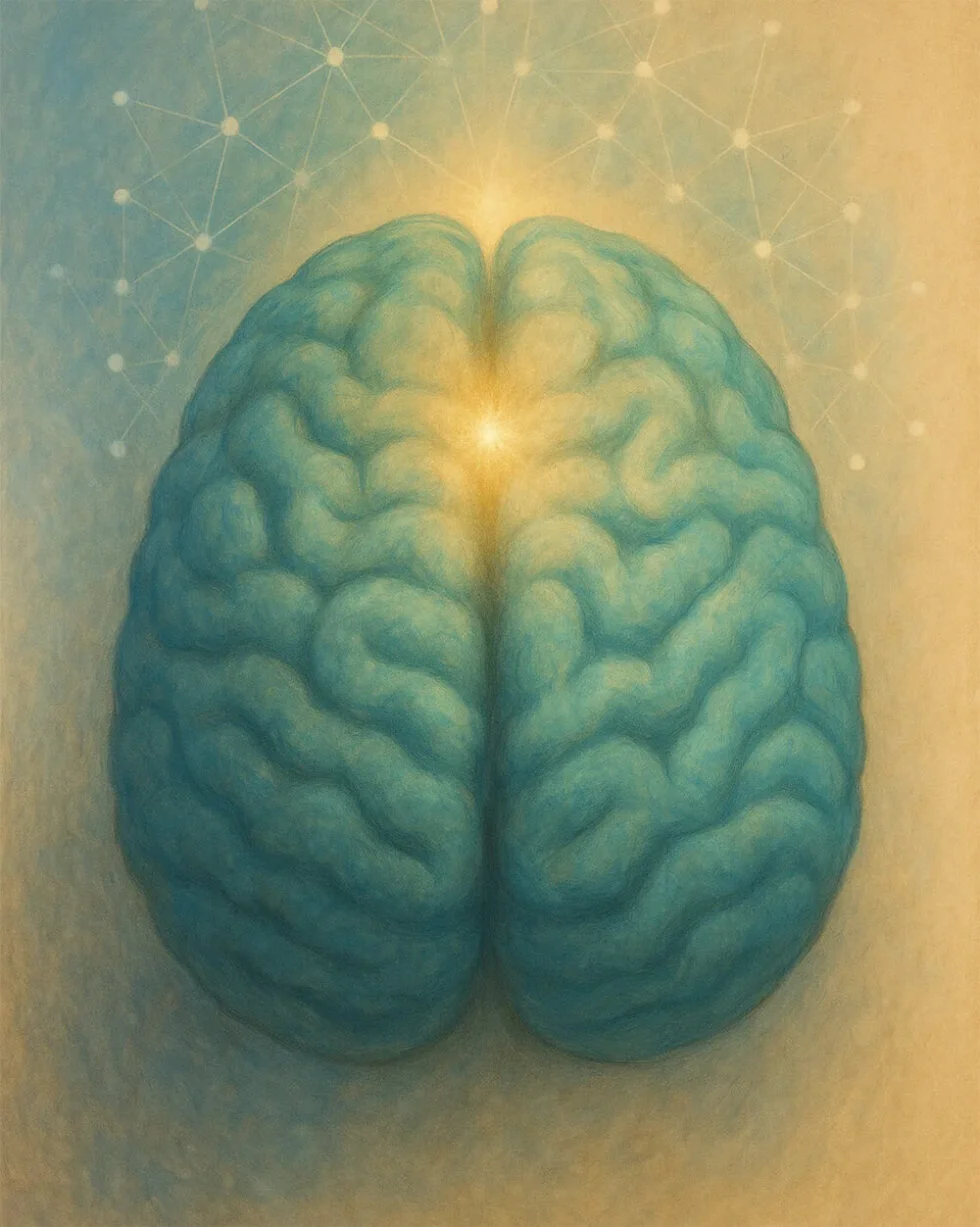
Many people experience a mild traumatic brain injury (mTBI) during a car accident— often without realizing it. Even if you didn’t lose consciousness, your brain may still be struggling to recover.
Common post-concussion symptoms include:
- Light or Noise Sensitivity
- Anxiety or overwhelm
- Difficulties with concentration and focus
- Headaches
- Feeling depressed or hopeless
- Fatigue and needing more rest
- Irritability and mood swings
Traditional talk therapy is often limited for concussion recovery because it cannot directly address the neurological patterns driving these symptoms.
In my practice, I primarily use scientifically researched computer technology—known as neurofeedback—to help your brain shift out of dysregulated patterns and move toward greater stability, clarity, and regulation.
In Short
learn more
After a collision, the brain may remain locked in patterns of hyperexcitability (over-reacting to sensory input) or under-regulation (poor coordination between brain regions). This helps explain why symptoms can persist even when scans appear “normal,” and why rest alone is often insufficient for full recovery.
Using real-time EEG data, training reinforces more stable, efficient patterns of brain activity—supporting improved sensory filtering, emotional regulation, cognitive endurance, and sleep. Over repeated sessions, the brain relearns how to shift out of threat-based or overloaded states and return to more adaptive regulation.
This approach differs from talk therapy by working bottom-up: addressing the neurological drivers of symptoms first, which then allows psychological and emotional recovery to proceed more smoothly. For many people, neurofeedback becomes a critical bridge between brain recovery and full functional healing after concussion.
References
Galli, J., et al. (2021). Neurofeedback for concussion and mild traumatic brain injury: A systematic review. Neuroscience & Biobehavioral Reviews, 127, 557–571.
Hammond, D. C. (2007). Neurofeedback treatment of traumatic brain injury: A review of the literature. Journal of Neurotherapy, 11(4), 5–22.
Van der Kolk, B. A., et al. (2016). A randomized controlled study of neurofeedback for chronic PTSD. Journal of Traumatic Stress, 29(5), 437–446.
Thatcher, R. W. (2012). Coherence, phase differences, phase shift, and phase reset: A unifying theory of EEG connectivity. Applied Psychophysiology and Biofeedback, 37(3), 153–172.
Neurofeedback for Anxiety, Trauma, and Concussion Recovery
Using advanced computer technologies, neurofeedback first identifies where your brain is having trouble, and then helps your brain to shift out of these and move into healthier patterns.

- Reduce anxiety, panic, and hypervigilance
- Calm trauma-related activation in the nervous system
- Improve focus, light and noise sensitivity, and other concussion-related symptoms
- Support deeper sleep and reduction in insomnia symptoms
- Strengthen communication between brain regions
Most clients describe sessions as calming and restorative. Over time, your brain naturally learns to stay in these healthier patterns.
In Short
Neurofeedback helps retrain the brain after a car accident—reducing anxiety, easing trauma symptoms, and supporting concussion recovery through gentle, science-based training that restores healthier brain patterns.
learn more
Neurofeedback works by directly targeting these functional patterns. Using real-time EEG signals, the brain receives immediate feedback about its own activity and gradually learns to shift toward more stable, regulated states. Rather than forcing change, neurofeedback leverages the brain’s natural capacity for self-regulation and neuroplasticity.
From a trauma perspective, this process supports bottom-up regulation. By calming overactive threat circuits and improving network communication, the nervous system no longer needs to remain on constant alert. As regulation improves, symptoms such as panic, irritability, cognitive fatigue, and sleep disturbance often lessen without the need to repeatedly relive the accident.
From a concussion and mTBI perspective, neurofeedback helps normalize disrupted timing and coherence between brain regions. Research shows that improving these communication patterns is associated with gains in focus, emotional stability, sensory tolerance, and overall cognitive efficiency.
Because neurofeedback works directly with brain physiology, it often complements somatic and trauma-focused counselling especially well. As the brain stabilizes, emotional processing, embodiment, and re-engagement with daily life tend to become easier and more sustainable.
References
Galli, J., et al. (2021). Neurofeedback for concussion and mild traumatic brain injury: A systematic review. Neuroscience & Biobehavioral Reviews, 127, 557–571. https://doi.org/10.1016/j.neubiorev.2021.05.016
Hammond, D. C. (2007). Neurofeedback treatment of traumatic brain injury: A review of the literature. Journal of Neurotherapy, 11(4), 5–22. https://doi.org/10.1080/10874200802125844
Van der Kolk, B. A., et al. (2016). A randomized controlled study of neurofeedback for chronic PTSD. Journal of Traumatic Stress, 29(5), 437–446. https://doi.org/10.1002/jts.22161
Thatcher, R. W. (2012). Coherence, phase differences, phase shift, and phase reset: A unifying theory of EEG connectivity. Applied Psychophysiology and Biofeedback, 37(3), 153–172
Frequently Asked Questions About ICBC Counselling
Hidden FAQ
Is counselling free after a car accident in BC?
While some providers charge extra fees, I do not.
I bill ICBC directly, so you never pay out of pocket or submit receipts.
What symptoms can counselling help with after a car accident?
Many people notice symptoms that appear days or weeks after the collision. Counselling can help with:
- Anxiety or hypervigilance
- Sleep problems or racing thoughts
- Trauma responses — flashbacks, avoidance, feeling on edge
- Concussion symptoms — fatigue, irritability, brain fog, light/sound sensitivity
- Emotional changes — fear, anger, guilt, irritability, sadness
- Body-based tension or shutdown
These symptoms are common, treatable, and often improve significantly with somatic therapy and/or neurofeedback.
How long does ICBC cover counselling after a car accident?
But many people require additional sessions to fully recover. ICBC coverage is based on your recovery needs, so if you still have post-accident symptoms (or worsening or pre-accident symptoms) then ICBC will cover the treatments you need to fully recover.
You don’t need to manage this — I handle all approvals and billing.
What happens in a counselling session for car-accident recovery?
Together we discuss what feels right for you and move at the pace your nervous system can handle.
Do I need a doctor’s referral to start counselling?
In some cases ICBC may ask your medical doctor to complete a form, but this is not typically required.
How can neurofeedback help with anxiety, trauma, or concussion symptoms?
Clients often notice improvements with:
- Anxiety and excessive worry
- Trauma reactivity and emotional overwhelm
- Concussion symptoms — fatigue, irritability, sensory sensitivities
- Sleep quality
- Cognitive function and attention
It works by gently guiding the brain toward healthier patterns, supporting both emotional stability and physical recovery.
How do I start counselling for car-accident recovery?
It’s simple:
- Get your ICBC claim number.
- Book a free consultation or first appointment.
- I handle all billing and approvals directly with ICBC — you don’t pay anything.
Meet Your Somatic Therapist
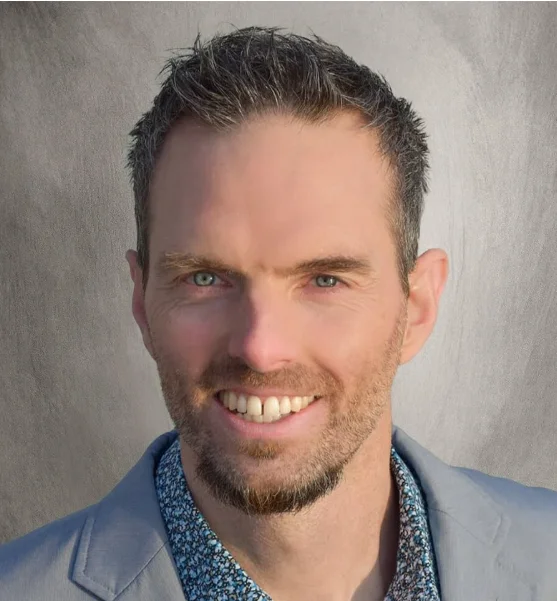
Adam Bradley Saunders
Registered Clinical Counsellor (RCC)
M.Ed. Counselling Psychology
Somatic Experiencing® Practitioner (SEP)
This dual path has given me both advanced professional training and a lived trust in the power of somatic and experiential therapies—knowing them not just in theory, but in my own body.
My clinical training includes:
Somatic Experiencing® (SE)
Deep Brain Reorienting (DBR)
Neurofeedback
EMDR
Rather than relying on a single method, I draw from these approaches and adapt your accident treatment sessions based on how your nervous system responds.
“Through my own healing from anxiety and complex trauma, I know that lasting change is possible. I aim to create a relationship of trust, authenticity, and emotional safety, where we gently and skillfully work with your body’s innate capacity to heal.”
Start ICBC Counselling in Vancouver or Online

Reach out and we can talk through what you’re experiencing and how we can support your recovery.
No commitment required—just a conversation.
Clinical & Scientific Foundations
- Stephen Porges — The Polyvagal Theory
- Peter Levine — Waking the Tiger
- Peter Levine — In an Unspoken Voice
- Bessel van der Kolk — The Body Keeps the Score
View all references
Hammond, D. C. (2010). QEEG evaluation of the LENS treatment of TBI. Journal of Neurotherapy, 14 (2), 170-177.
Levine, P. A. (1997). Waking the Tiger: Healing Trauma. North Atlantic Books.
Levine, P.A. (2010). In an Unspoken Voice: How the Body Releases Trauma and Restores Goodness. North Atlantic Books.
May, G. et al (2013). Neurofeedback and Traumatic Brain Injury: A Literature Review. Annals of Clinical Psychiatry.25(4), 289-296.
doi:10.1177/104012371302500409
Ogden, P., Minton, K., & Pain, C. (2006). Trauma and the Body: A Sensorimotor Approach to Psychotherapy. W. W. Norton & Company.
Payne, P., Levine, P. A., & Crane-Godreau, M. A. (2015). Somatic experiencing: using interoception and proprioception as core elements of trauma therapy. Frontiers in psychology, 6 , 124489.
Porges, S.W. (2011). The Polyvagal Theory: Neurophysiological Foundations of Emotions, Attachment, Communication, and Self-Regulation. W. W. Norton & Company.
Schauer, M., & Elbert, T. (2015). Dissociation following traumatic stress. Zeitschrift für Psychologie/Journal of Psychology.
Shin, L. M., & Liberzon, I. (2010). The neurocircuitry of fear, stress, and anxiety disorders. Neuropsychopharmacology, 35 (1), 169-191.
Thatcher, R. W., North, D., & Biver, C. (2005). EEG and intelligence: relations between EEG coherence, EEG phase delay and power. Clinical neurophysiology, 116 (9), 2129-2141.
Treleaven, D.A. (2018). Trauma-Sensitive Mindfulness: Practices for Safe and Transformative Healing. W. W. Norton & Company.
van der Kolk, B.A. (2014). The Body Keeps the Score: Brain, Mind, and Body in the Healing of Trauma. Viking.
Van der Kolk, B.A. et al (2016). A randomized controlled study of neurofeedback for chronic PTSD. PloS one, 11 (12), e0166752.
A more extensive list of scientific and clinical references supporting this work can be found here: